Stamped Concrete vs. Pavers for Commercial Properties: Pros and Cons
People seeking commercial stamped concrete installation aim to enhance durability and aesthetics, and local service providers can help determine whether stamped concrete or pavers suit their property's needs.
Choosing the right surface for a commercial property’s outdoor spaces can significantly impact functionality and aesthetic appeal. For property owners exploring options like stamped concrete versus pavers for commercial properties, understanding the benefits and potential drawbacks of each can help inform smarter decisions. This comparison is especially relevant for those considering durability, maintenance needs, and visual customization to match their property's style. Local contractors experienced in stamped concrete installation and paver projects are well-equipped to guide property owners through these considerations, ensuring the chosen solution aligns with their operational needs and design goals. Keep reading to discover practical insights into these popular surface options and how professional services can support a successful installation.
Many property owners find themselves weighing the advantages of stamped concrete against pavers for their commercial landscapes, parking lots, or walkways. Each option offers distinct characteristics-such as the versatility of stamped concrete's ability to mimic natural stone or the modular flexibility of pavers-making it essential to evaluate how these factors align with the property's use and maintenance expectations. Local service providers specializing in stamped concrete and paver installations can help clarify these differences, providing expert advice tailored to the specific demands of commercial environments. Continuing to explore these pros and cons can help property owners make informed choices that enhance curb appeal, durability, and overall functionality.
- Commercial stamped concrete installation - ideal for properties seeking durable, customizable surfaces with intricate patterns that local contractors can expertly install.
- Stamped concrete vs. pavers for commercial properties: pros and cons - local service providers can help evaluate which option offers better longevity and maintenance ease for high-traffic areas.
- Concrete stamping services - suitable when a seamless, low-maintenance surface is desired, with local pros ensuring precise patterning and finishing.
- Stamped concrete installation for commercial spaces - often chosen for its ability to mimic natural materials while offering quick installation, with local contractors providing tailored solutions.
- Commercial stamped concrete vs. pavers - local pros can advise on the best material based on load-bearing needs, aesthetic goals, and ongoing upkeep considerations.
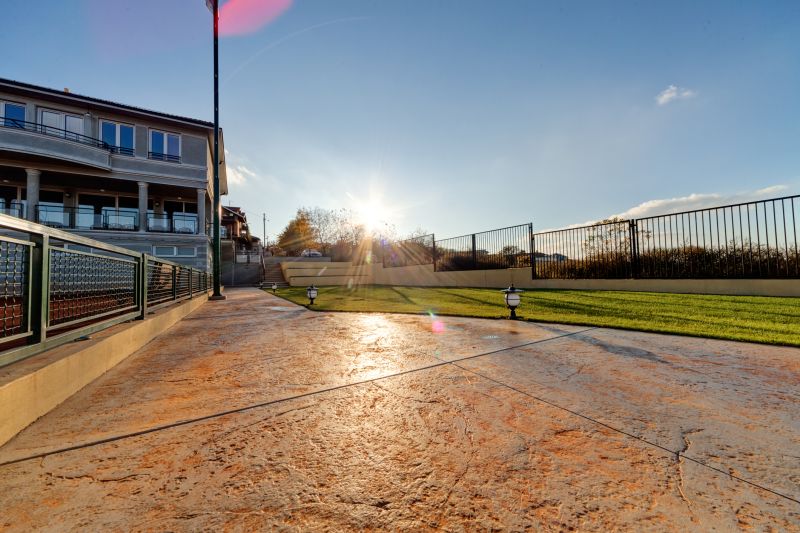
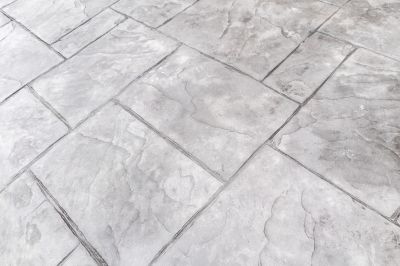
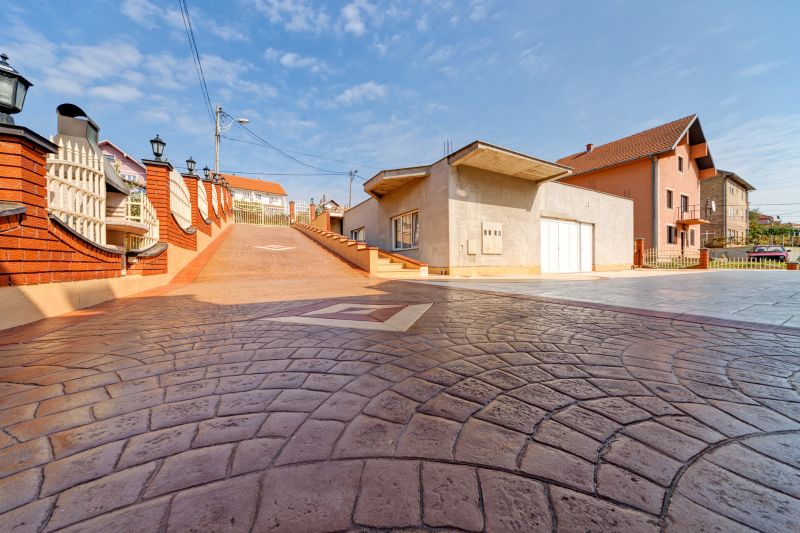
When searching for information about stamped concrete vs. pavers for commercial properties, most people are exploring options for enhancing outdoor spaces such as parking lots, walkways, patios, or plaza areas. These projects often involve considerations around durability, appearance, and maintenance, especially for properties that see frequent use or need to make a strong visual impression. Property managers, business owners, or facility managers may be planning a renovation or new installation and want to understand the benefits and drawbacks of each material type to make informed decisions. The focus is typically on how these surface options will perform over time, how they align with the property's aesthetic, and how local contractors can help bring the vision to life with professional installation.
The topic of stamped concrete vs. pavers for commercial properties often relates to problems like surface cracking, unevenness, or the need for frequent repairs. Many property owners seek solutions that balance visual appeal with long-term resilience, especially in high-traffic areas. These projects might be part of broader renovation plans to improve curb appeal or safety, or they could be driven by the desire to create a more welcoming environment for clients and visitors. The choice between stamped concrete and pavers can significantly influence the project's overall success, affecting factors such as installation complexity, surface longevity, and ongoing maintenance requirements. Local service providers who specialize in commercial stamped concrete installation or paver installation can assist in evaluating these factors based on the specific needs of each property.
Commercial properties that typically come up in discussions about stamped concrete vs. pavers include retail centers, office complexes, restaurants, and industrial parks. These properties often require durable and attractive outdoor surfaces that can withstand heavy foot and vehicle traffic. The choice of material may also depend on the property's aesthetic goals-whether a sleek, modern look is preferred or a more traditional, textured appearance. For property owners and managers, understanding how each material performs in terms of slip resistance, ease of repair, and overall lifespan is crucial. Local contractors experienced in commercial installations can help evaluate the site conditions and recommend the most suitable option, ensuring the finished surface meets both functional and visual expectations.
Ultimately, the decision between stamped concrete and pavers for commercial properties hinges on practical considerations that relate directly to real projects. Factors such as installation time, cost-effectiveness, and the ability to customize patterns or colors play a significant role. Property owners often turn to local service providers to get expert advice tailored to their specific environment, whether they need a seamless, monolithic surface or a modular, easily repairable system. By understanding the pros and cons of each material, property managers can better plan their projects, knowing that experienced local contractors are available to handle the installation with the right expertise. This ensures that the chosen surface material will serve the property well, combining durability, aesthetic appeal, and long-term performance.
Paving installation services - professionals skilled in laying various paving materials are experienced in preparing surfaces and ensuring durability, which relates to stamped concrete and paver projects for commercial properties.
Concrete finishing projects - local contractors specializing in concrete finishing have the expertise to create textured, stamped, or smooth surfaces, aligning with stamped concrete versus pavers discussions for commercial spaces.
Hardscape design services - designers and installers who plan and execute hardscape features understand the planning and aesthetic considerations involved in choosing between stamped concrete and pavers for commercial use.
Surface prep and excavation - professionals in site preparation ensure proper foundation work for both stamped concrete and paver installations, critical for long-lasting commercial outdoor surfaces.
Landscape and outdoor space contractors - specialists who integrate paving options into broader outdoor designs are familiar with the benefits and limitations of stamped concrete and pavers for commercial properties.
Sealing and surface treatment services - providers experienced in sealing concrete and paver surfaces help protect and enhance the appearance of stamped concrete and paver installations in commercial settings.
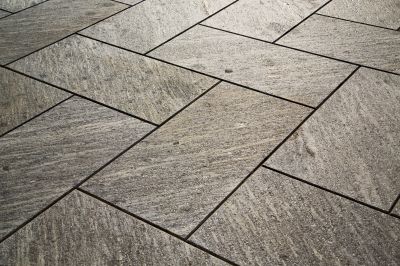
When evaluating service providers for commercial stamped concrete installation, it’s important to consider their experience with similar projects. Contractors who have a proven track record working on commercial properties can better anticipate the unique demands of larger-scale installations, such as durability, surface texture, and design complexity. Asking for references or examples of previous work can provide insight into their familiarity with stamped concrete versus pavers, helping to ensure they understand the specific requirements of the project. Clear communication about expectations and project scope is also essential, as it allows property owners to gauge how well a contractor can translate their vision into a finished surface that meets both aesthetic and functional needs.
Comparing local contractors also involves assessing their reputation and reliability. Reputable service providers often have established relationships within the community and can provide references from other commercial clients. These references can shed light on the contractor’s ability to deliver quality work, adhere to timelines, and handle unforeseen issues effectively. It’s beneficial to inquire about their experience with stamped concrete and pavers in similar settings, as well as their approach to addressing challenges that may arise during installation. Reliable communication throughout the process ensures that property owners remain informed and involved, which can lead to a smoother project and a more satisfying outcome.
Ultimately, choosing the right contractor for commercial stamped concrete installation involves evaluating how well they communicate, their experience with comparable projects, and their reputation for quality work. A knowledgeable service provider will be transparent about their processes, provide clear written expectations, and be responsive to questions or concerns. This level of professionalism helps property owners feel confident that the chosen contractor understands the nuances of stamped concrete versus pavers for commercial properties, and can execute the project to meet the specific needs of the space. Making an informed decision based on these factors can lead to a successful installation that enhances the property's appearance and functionality.
Property owners often search for stamped concrete vs. pavers for commercial properties: pros and cons when they are planning practical projects around their homes and businesses. Local pros provide Commercial Stamped Concrete Installation services for everyday jobs and straightforward project options.
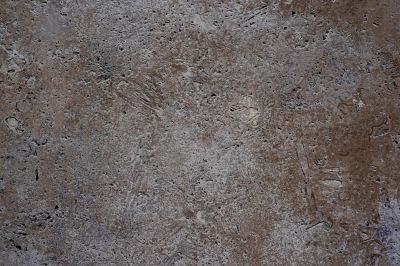
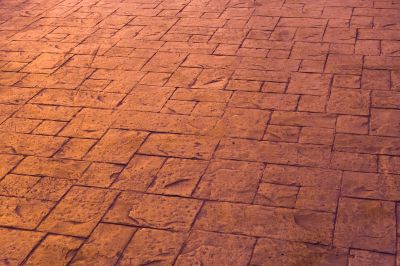
When considering stamped concrete vs. pavers for commercial properties, property owners often evaluate factors like durability, appearance, and maintenance needs. For busy parking lots, walkways, or outdoor gathering areas, stamped concrete offers a seamless surface that can mimic the look of stone or brick, providing a sleek and uniform appearance. Pavers, on the other hand, are individual units that can be replaced easily if damaged, making them a practical choice for areas prone to heavy traffic or potential cracking. Local contractors can help assess the specific needs of a property and recommend the best material based on traffic patterns, aesthetic preferences, and long-term upkeep.
Many property owners look into stamped concrete vs. pavers for commercial properties because they want a durable yet attractive outdoor surface. Stamped concrete installation services from local specialists often focus on creating a smooth, cohesive finish that can withstand daily wear and tear, especially in high-traffic zones. Pavers may appeal to those seeking a more customizable design or easier repair options, as individual units can be swapped out without disturbing the entire surface. Connecting with experienced local contractors can provide insight into which option aligns best with the property's functional demands and visual goals.
What are the main differences between stamped concrete and pavers for commercial properties? Stamped concrete offers a seamless surface with customizable patterns and colors, while pavers consist of individual units that can be replaced easily. Local contractors can help determine which option best suits the property's aesthetic and functional needs.
How do durability and maintenance compare between stamped concrete and pavers? Pavers generally provide higher durability and easier repair options, as individual units can be replaced if damaged. Stamped concrete may require periodic sealing to maintain its appearance, with local service providers able to advise on proper upkeep.
Are stamped concrete or pavers better for high-traffic commercial areas? Pavers tend to handle heavy traffic and weight better due to their interlocking nature, reducing the risk of cracking. Local contractors experienced in commercial installations can recommend the most durable choice based on usage patterns.
Can stamped concrete or pavers be customized to match a commercial property's aesthetic? Yes, stamped concrete can be customized with various patterns and colors to mimic natural materials, while pavers come in diverse shapes and styles. Local pros can assist in selecting and installing options that enhance the property's appearance.
What should be considered when choosing between stamped concrete and pavers for a commercial property? Factors include durability, maintenance, aesthetic preferences, and installation complexity. Consulting with local service providers can help evaluate these aspects to select the most suitable surface option.
Assessing durability needs - property owners can evaluate whether stamped concrete or pavers better withstand foot traffic and heavy equipment in their commercial space with guidance from local contractors.
Considering design flexibility - choosing between stamped concrete and pavers involves planning for aesthetic preferences and layout options, which local pros can help customize for specific project visions.
Planning for installation complexity - property managers might consider the installation process and site preparation required for each surface type, with local service providers offering practical solutions.
Evaluating maintenance requirements - understanding ongoing upkeep for stamped concrete versus pavers can influence decision-making, as local contractors can advise on long-term care strategies.
If you are thinking about stamped concrete vs. pavers for commercial properties: pros and cons for a property, this guide is meant to help you understand this topic, the typical project types, and how different options might fit your plans.
When you are ready, you can use the quote form on this page to share a few details about your project. From there, local pros can review the basics and follow up with options that match what you have in mind.